The Packed-Day Fallacy: Why Every Free Hour Need Not Have a Plan
Open weekend time lets you enjoy a country gathering without racing between stops, with room for conversation, a slow meal, and an easy departure.
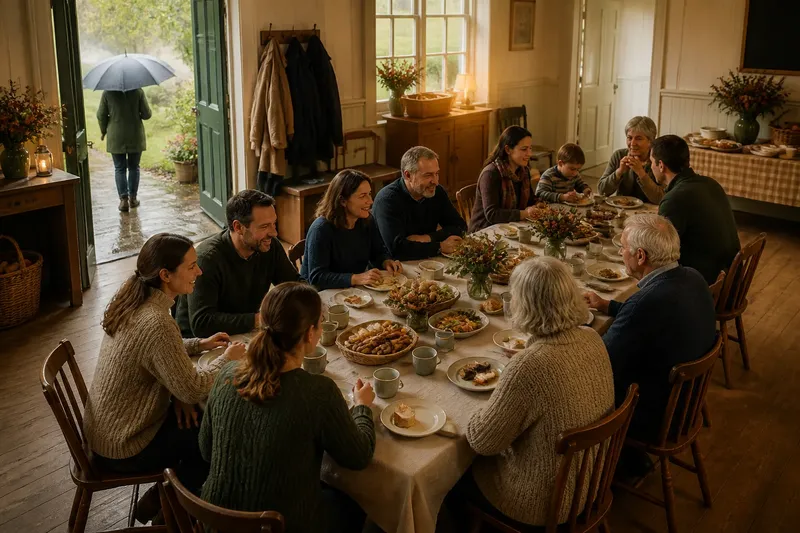
A country gathering often feels more welcoming when guests can linger without wondering what comes next. Open weekend time is not a gap to fill; it gives conversation, shared food, and small practical needs room to shape the day.
The packed-day fallacy is the belief that a gathering needs a string of activities to feel worthwhile. A village hall lunch, a family picnic, or a seasonal supper can hold the day on its own. The useful planning question is not how many activities fit, but which details help people feel comfortable together.
Choose the gathering’s purpose
Start with the reason people are meeting. A harvest lunch might center on sharing local food, while a family reunion may be chiefly about catching up. Naming that purpose helps you choose a suitable place and avoid adding activities that compete with it.
Then settle the details that affect everyone’s arrival: the venue, start time, parking or public transit, and whether guests need to bring anything. If the gathering is at a farm, village hall, or private home, confirm access and any venue-specific rules directly with the host.
Keep the plan proportionate. A meal with a fixed serving time needs more coordination than an informal afternoon tea, but neither requires a schedule for every conversation or pause.
Make room for comfort
At a rural gathering, comfort often depends on simple arrangements: a place to sit, shelter if the weather changes, and food that suits the people expected. Ask guests about relevant dietary needs ahead of time, and make clear what is being served and what they should bring.
Think of the schedule as a tablecloth, not a train timetable: it supports the gathering without dictating every movement. Leave room for someone to arrive late, a conversation to run long, or a child to need a quiet break.
Before guests arrive, check each practical point and decide what you will do if it is not in place:
- Seating: Check that the planned seating suits the guests; if a guest cannot use the available chairs, then arrange a more suitable seat or ask the venue about one.
- Shelter: Check whether the gathering has a usable indoor space or weather cover; if not, then move the meeting indoors or choose a venue with shelter.
- Food needs: Check the host’s menu against guests’ stated dietary needs; if a need is not covered, then ask the host to adjust the food or invite the guest to coordinate an appropriate option.
- Arrival details: Check that guests know the exact entrance and where to park; if the directions are unclear, then send a clearer description or a venue contact number.
- Supplies: Check whether the host has plates, cups, and serving utensils; if something essential is missing, then bring it or simplify the menu.
- Quiet space: Check whether anyone may need a calmer place to sit; if no suitable space is available, then identify a nearby alternative or choose a more accommodating venue.
These checks are prompts for decisions, not reasons to build a complicated event. For venue rules or access arrangements, rely on the venue’s current information rather than an assumption.
Share tasks lightly
One host does not need to carry every detail. Ask a few guests to take clear, modest responsibilities, such as bringing dessert, greeting people at the entrance, or helping clear dishes. A specific request is easier to answer than a general appeal for help.
Say you are hosting an invented, hypothetical harvest lunch at a village hall, with a shared table and no scheduled entertainment. You confirm that the hall has accessible seating and an indoor room, ask one guest to bring apple cake, and tell another where to direct arriving cars. When rain begins, guests move inside; the food and conversation continue without adding a replacement activity. The observable result is that people know where to sit and what to do, while the gathering keeps its relaxed purpose.
If a task depends on a venue’s permission or a guest’s needs, ask first rather than assigning it. The host can then adjust the plan before anyone arrives.
Respond to the group?
How much structure does a gathering need?
Set a clear start time, location, and plan for food or shared costs, then add structure only where it helps guests participate. A formal meal may need a serving time; an informal visit can stay open.
What should I do if guests arrive at different times?
Make the arrival window clear and choose something that can begin without everyone present, such as tea or a simple snack. If a key activity requires the whole group, tell guests its start time separately.
How can I include guests with different needs?
Ask privately about practical needs such as seating, food, or access, and confirm what the venue can provide. If an arrangement is uncertain, discuss alternatives with the guest rather than assuming what will work.
Should I plan entertainment?
Plan it only if it serves the purpose of the gathering or guests have asked for it. A short, optional activity can suit a family celebration; leaving the time open can suit a meal built around conversation.
Close without a rush
Tell guests plainly when the formal part of the gathering ends, especially if the venue has a closing time. That gives people a useful cue without requiring everyone to leave mid-conversation or stay longer than they wish.
For a country gathering, open weekend time works best when the shared essentials are settled and the rest can unfold naturally. Confirm the venue, make comfort needs visible, and leave guests room to talk, eat, and depart at an easy pace.