How Country Weekends Took Shape Around Work and Rest
Country weekends took shape around work and rest. Learn how seasonal duties, local customs, and shared time turned days off into chances to gather.
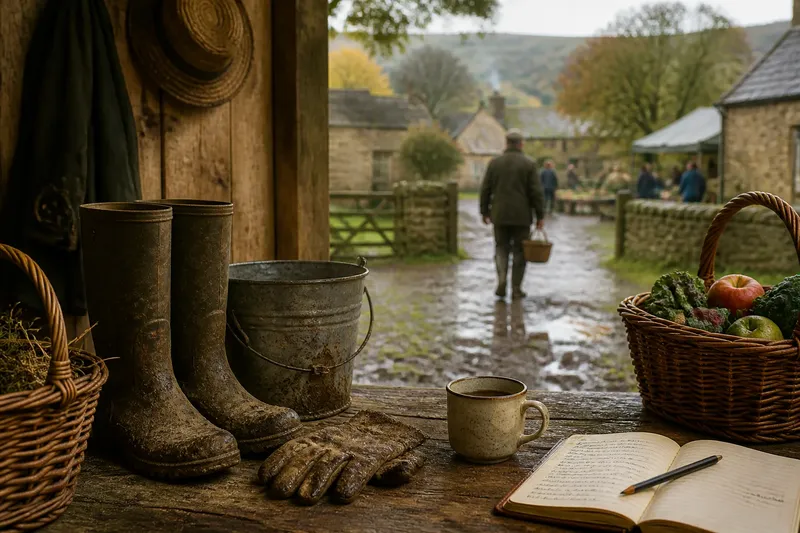
In a farming village, a sunny Saturday could still mean tending animals before a visit to the market. Country weekends took shape around work and rest, not as an automatic pair of leisure days but as time people fitted around seasonal duties, local customs, and the schedules they shared.
Rest and local custom
A weekly day of rest often followed a community’s religious or civic customs. In many Christian communities, Sunday held a particular place for worship and family gatherings, while other traditions organized rest on different days. The details depended on local practice and occupation.
In the countryside, customary rest did not necessarily stop necessary work. Animals still needed care, and weather-sensitive tasks could not always wait. A day marked for rest might mean fewer chores or a change in routine rather than a complete break.
That distinction matters for country weekends: shared free time depends on more than the calendar. It also depends on whether neighbors, relatives, and local businesses are available at the same time.
Seasonal work rhythms
Farm and village routines could shift with the season. Planting, harvest, weather, and animal care all affected which tasks could be postponed. A fixed day off was harder to keep when urgent work depended on conditions outside a worker’s control.
Other rural occupations had their own schedules. Shopkeepers, transport workers, and people serving visitors might be busiest when others had time off. The same Saturday could therefore be a day for a village gathering for one person and a working day for another.
Imagine an invented household during a spell of wet weather: a family has planned to visit a nearby market, but a muddy field needs attention before the rain returns. They finish the urgent field task first, then shorten the market visit. The observable result is a smaller outing that fits the day’s conditions, rather than a full day away from work.
Work schedules and leisure
Fixed hours in factories and other workplaces made it easier for groups of workers to share time away from work, though the length and timing of that time varied. Workers pressed for shorter hours, employers set schedules, and local customs influenced which days became common pauses. These forces did not create the same weekend for every occupation or place.
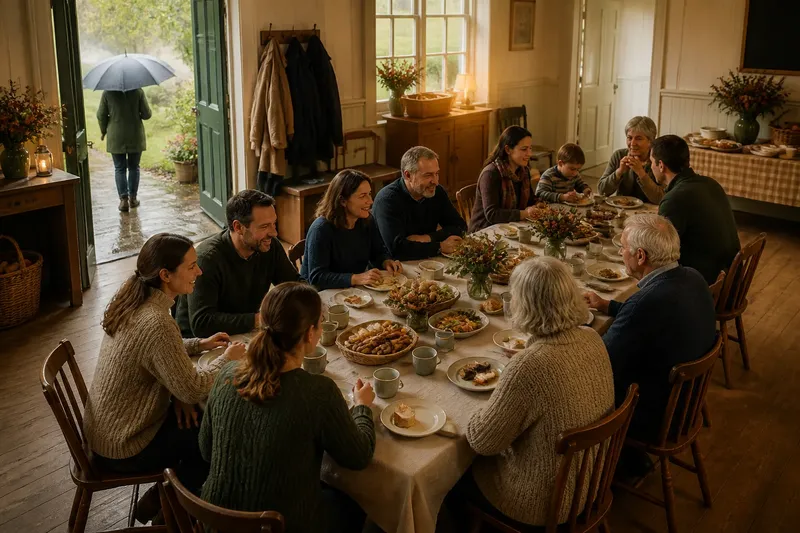
In a rural community, shared time could make practical pleasures easier to arrange: visiting relatives, attending a local event, or walking a familiar country lane. Yet a market day or gathering could also require work from vendors, farm workers, or service staff. A day off for some could be a busy day for others.
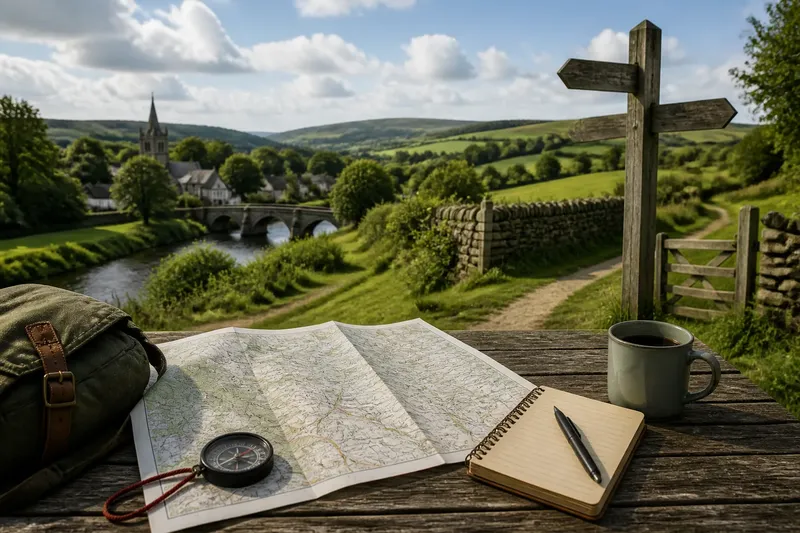
A weekend is a little like a gate on a farm track: it opens a route, but the weather and the work waiting beyond it still shape where you can go. The comparison helps explain why a calendar day off did not always translate into an outing.
What shaped country weekends?
Why did Sunday matter?
In many Christian communities, Sunday was associated with worship and rest, giving it a familiar place in the weekly rhythm. How people observed it varied, and work or household duties could continue.
Why did Saturday become free time?
Saturday hours changed through workplace schedules, workers’ efforts to shorten the working week, and local practice. Where more people shared free time, visits and outings became easier to plan together.
Did rural workers always rest on weekends?
No. Seasonal tasks, animal care, weather, and service work could all require attention on Saturday or Sunday. The timing of a break often depended on the job and what could safely or practically wait.
What made a local outing possible?
A useful opening in the schedule, manageable duties, and a place or event that was accessible all helped. A short visit could be more realistic than a full day away when work or weather limited the time available.
Reading local accounts
Family diaries, local histories, and descriptions of village events can reveal how people used time away from work. Read them with attention to who had free time, who was still working, and what seasonal tasks shaped the day. A general account of weekends may not describe every household or occupation.
- Check the occupation mentioned: if it is farm work or animal care, allow for duties that might continue on a customary rest day; if it is a scheduled workplace, look for stated hours before assuming the same pattern applied.
- Check the season or weather described: if urgent fieldwork or poor conditions appear, consider whether an outing was shortened or postponed; if neither is mentioned, avoid assuming seasonal work determined the day.
- Check the day and event named: if a diary places a market or gathering on a day off, consider how people with different jobs could attend; if it names no shared event, do not infer that everyone had matching free time.
- Check who is doing household work: if cooking, care, or cleaning falls to someone in the account, treat that as part of the day’s labor; if such duties are not described, do not assume they were absent.
- Check whether the schedule is a custom or a workplace rule: if an employer’s hours are specified, distinguish that rule from community practice; if only custom is described, do not apply it automatically to every occupation.
- Check whether the account describes one household or a whole community: if it gives one person’s experience, keep the conclusion local; if it compares several occupations, use those contrasts rather than assuming a single shared weekend.
Say you are reading an invented diary from a village in autumn. It records a planned market visit, morning animal care, and an afternoon gathering. First, note that the account describes one household and a seasonal setting; next, separate the animal duties from the shared event; then compare the schedule with any other occupations mentioned. The resulting interpretation is that this household made time for a gathering after essential care, not that every villager had the whole day free.
Country weekends took shape where available time met local work, custom, and the season. When reading an account or planning a visit, check the day’s practical duties as carefully as the calendar: that small distinction helps explain whether a shared outing was possible, shortened, or left for another day.